
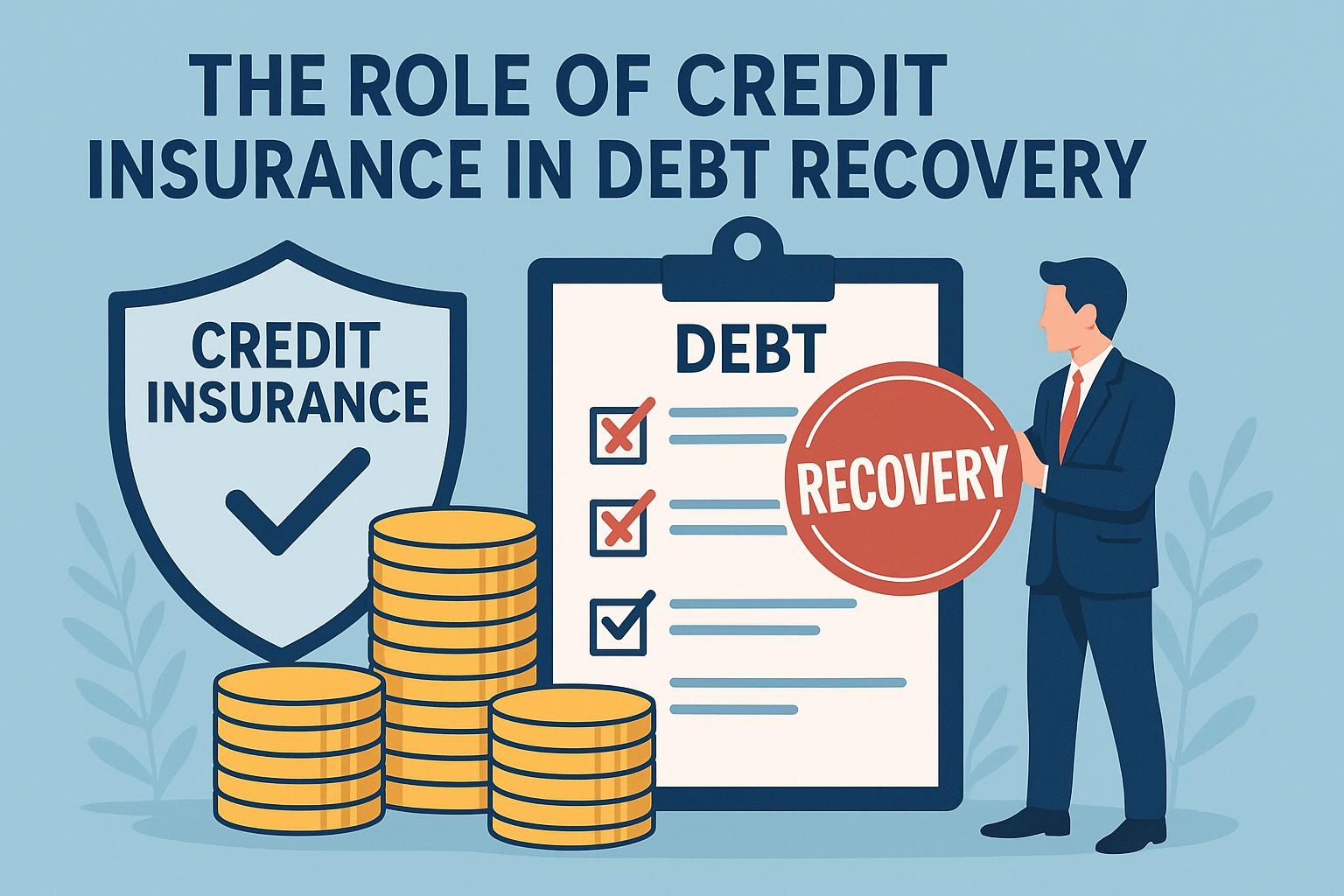
The role of credit insurance in debt recovery.
The Function of Credit Insurance in Debt Recovery
Credit insurance plays a crucial role in the financial landscape, particularly in the domain of debt recovery. It acts as a risk management tool that businesses use to protect themselves against potential losses stemming from non-payment by clients. Understanding how credit insurance operates in the context of debt recovery is essential for businesses aiming to maintain financial stability.
Understanding Credit Insurance
Credit insurance, also known as trade credit insurance, is a policy purchased by businesses to insure their receivables against loss due to debtor insolvency or delayed payments. This form of insurance allows companies to mitigate the risk of non-payment, ensuring that cash flow remains predictable and stable. By covering a portion or all of a debt when a customer defaults, credit insurance provides an additional layer of financial security.
How Credit Insurance Enhances Debt Recovery
In essence, credit insurance aids debt recovery by guaranteeing a certain level of compensation if a debtor fails to pay. This assurance can substantially improve a business’s ability to recover debts. Here is how credit insurance enhances the debt recovery process:
Risk Assessment and Monitoring: Insurers typically offer services that include evaluating the creditworthiness of a company’s clients. This proactive approach helps in minimizing the chances of a default. Continuous monitoring of debtors allows businesses to take preventive actions before a debt becomes unmanageable. This continuous monitoring involves tracking the financial health of clients, assessing their ability to meet payment deadlines, and identifying potential red flags that could indicate financial distress.
Moreover, insurance providers use sophisticated tools and databases to gather information about various sectors and market conditions, which can be invaluable in assessing credit risks. By utilizing this data, businesses are better equipped to make informed decisions about extending credit and setting appropriate limits.
Access to Expertise: Credit insurance providers often have specialized teams focused on debt collection, equipped with a broader suite of tools and techniques to recover debts. These teams leverage their expertise to negotiate with debtors effectively, increasing the likelihood of successful recovery. Their experience and knowledge enable them to employ strategies that a business may not have the resources or expertise to implement on its own.
Furthermore, these experts are versed in different cultural and regulatory environments, which is particularly useful for international transactions. Understanding cultural nuances and legal requirements can make a significant difference in how a debt collection process is conducted, often leading to more favorable outcomes.
Legal Support: When necessary, credit insurers provide legal assistance as part of the debt recovery process. With expert legal support, companies can navigate complex legal frameworks and pursue debts in international jurisdictions, which might otherwise be challenging to manage. Legal support can streamline the process of obtaining judgments and enforcing them in various legal systems, thereby increasing the probability of debt recovery.
Legal experts associated with credit insurance companies can also provide guidance in optimizing contracts to include terms that facilitate easier recovery of debts. By structuring contracts favorably and ensuring that legal actions are enforceable across borders, businesses can protect their interests more effectively.
Benefits for Businesses
The utilization of credit insurance in debt recovery brings several advantages. Besides protection against losses, it assures businesses of a consistent cash flow, allowing them to focus on core functions without the constant worry of unpaid invoices. Constant and reliable cash flow supports business operations, from purchasing inventory to paying employees, thereby enhancing overall productivity and growth potential.
Moreover, the reduction of financial risk often translates to more favorable terms from lenders, as secured receivables are viewed positively in the context of obtaining financing. Lenders perceive credit-insured receivables as less risky, which might lead to lower interest rates and better loan terms. This access to improved financing options is particularly beneficial for businesses looking to expand or invest in new opportunities.
Choosing the Right Coverage
Selecting appropriate credit insurance coverage is crucial. Companies should assess the range of options available and consider factors such as the insurer’s reputation, policy terms, and the extent of coverage offered. Engaging in detailed discussions with potential insurers can help businesses tailor their policies to address specific needs and risk profiles.
Insurance policies vary in their coverage types, from whole turnover policies, which cover a company’s entire sales, to more restrictive policies that cover specific clients or contracts. Factors such as industry sector, client base diversity, and geographical exposure should be carefully evaluated when selecting the right policy.
Additionally, companies need to review and understand exclusion clauses and deductible amounts in their policies to ensure that they do not face unexpected costs or gaps in coverage. Regular policy reviews are advisable to account for any changes in business operations or the external environment that may affect coverage adequacy.
Conclusion
In conclusion, credit insurance is a valuable tool in the debt recovery arsenal. By providing protection against non-payment and supporting the debt recovery process through professional expertise and legal aid, it ensures businesses maintain strong financial health. Credit insurance not only aids in immediate debt recovery but also contributes to long-term financial planning and strategy development by offering insights into client payment behaviors and market conditions.
For further information, businesses may consider consulting with insurance experts or exploring resources provided by financial organizations dedicated to trade and credit insurance. As the global business environment continues to evolve, having a reliable credit insurance strategy can provide businesses with the confidence and security needed to operate effectively and pursue growth opportunities.
- Posted by
 admin
admin - Posted in Uncategorized
 Apr, 05, 2026
 Comments Off on The role of credit insurance in debt recovery.