
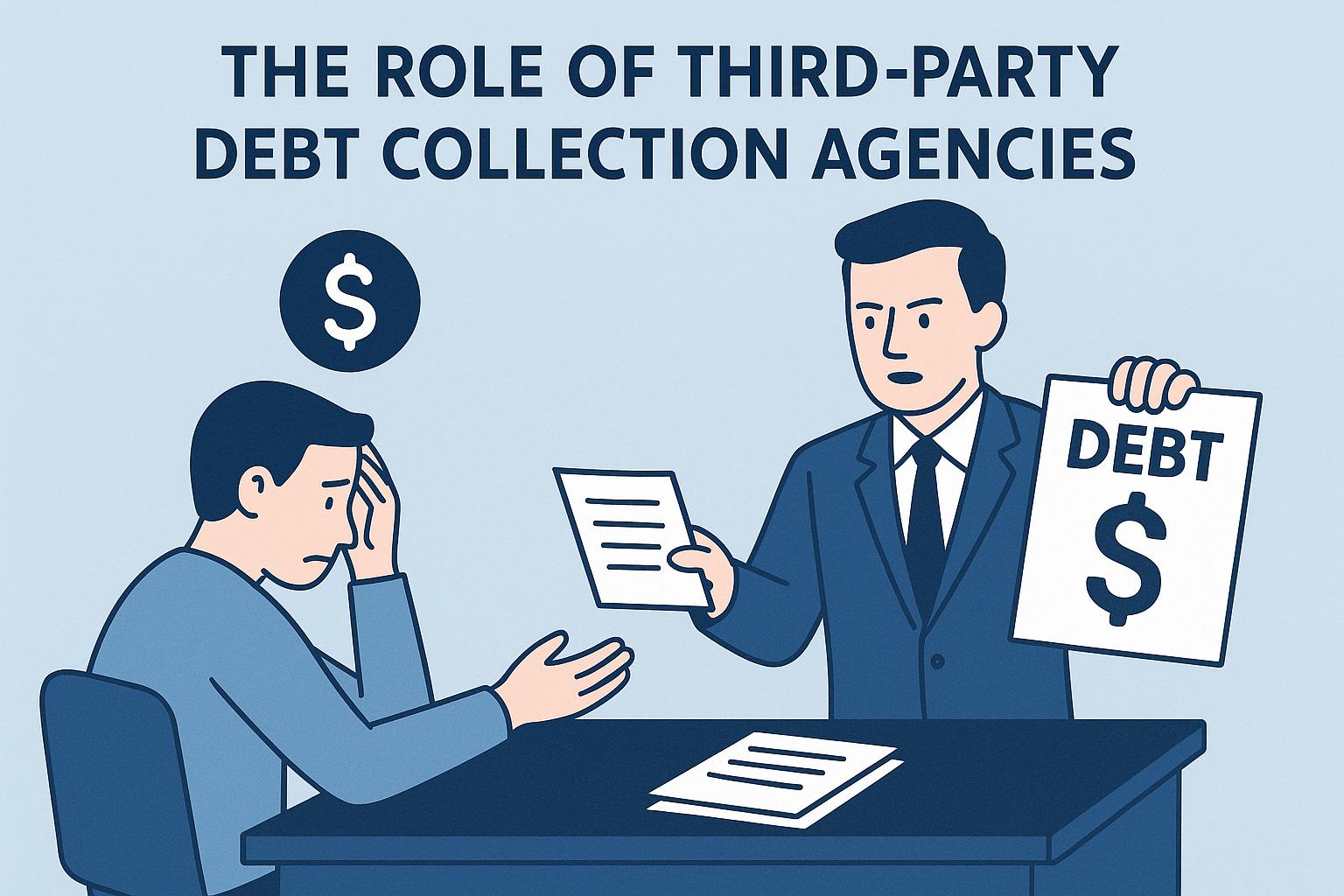
The role of third-party debt collection agencies.
The Function of Third-Party Debt Collection Agencies
Third-party debt collection agencies occupy a pivotal position within the financial industry, facilitating the recovery of outstanding debts on behalf of creditors. These agencies serve as intermediaries, helping businesses reclaim funds from borrowers who have defaulted on their payment commitments. Their function is indispensable in maintaining the financial well-being of businesses and necessitates strict compliance with legal frameworks and regulations.
How Third-Party Debt Collection Agencies Operate
Third-party debt collection agencies initiate their operations by entering into a contractual agreement with a creditor. Through this agreement, these agencies gain authorization to recover debts on the creditor’s behalf. Initially, the creditor transfers the details of delinquent accounts to the collection agency, providing the information necessary to begin the recovery process. These agencies utilize a variety of strategies to contact borrowers. Traditional methods include phone calls, letters, and emails, each aiming to establish a feasible payment arrangement for both the creditor and debtor. The goal is always to reach an agreement that respects the debtor’s financial condition while satisfying the creditor’s requirement for repayment.
Regulatory Compliance
Operating within legal boundaries is a cornerstone of third-party debt collection. Debt collection agencies must meticulously adhere to both federal and state laws to ensure that their practices are legitimate and fair. In the United States, one significant regulation is the Fair Debt Collection Practices Act (FDCPA). This act lays down comprehensive guidelines dictating how debt collectors may interact with consumers. The FDCPA is designed to curb abusive, deceptive, and unfair practices, thereby protecting consumer rights while facilitating debt recovery.
The Importance of Ethical Practices
Adopting ethical practices is paramount for maintaining the reputation and operational integrity of debt collection agencies. Agencies that prioritize legal compliance and uphold ethical standards are better positioned to foster positive relationships with consumers. This attention to ethical practice reduces both the volume of complaints and the likelihood of legal disputes. In turn, it underpins the long-term success of an agency, cultivating trust among creditors and debtors alike. Trust is a vital component that underlies successful collection operations and client relationships, emphasizing the importance of ethical adherence.
Advantages of Employing Third-Party Agencies
There are numerous advantages for creditors who decide to engage third-party agencies for debt collection. These agencies possess the expertise and resources necessary to manage collections more effectively than many in-house teams. As specialists in debt recovery, third-party agencies can leverage their skilled personnel and streamlined processes to enhance collection efficiency. By outsourcing debt recovery, businesses can devote more time and resources to their core activities. Moreover, third-party agencies tend to achieve higher recovery rates and faster turnaround times, making them a preferred choice for handling delinquent accounts.
Impact on Debtors
From the debtor’s perspective, interaction with third-party agencies emphasizes the importance of fulfilling repayment obligations. Many of these agencies offer opportunities for negotiation, allowing debtors to resolve their debts in a manner that is financially attainable. This focus on negotiation can provide debtors with a more manageable route towards debt resolution, offering a structured path that aligns with their financial capacity. Nonetheless, it is critical for debtors to stay informed about their rights throughout the debt collection process. Awareness of legal rights helps ensure that debtor interactions with agencies remain fair and respectful, aligning outcomes with the principles of the FDCPA.
Conclusion
In conclusion, third-party debt collection agencies have an essential role in the financial ecosystem, bridging the gap between creditors’ need to recover funds and debtor rights. Their operations are guided by regulatory frameworks that underscore fairness and legality, contributing to a balanced financial environment. When these agencies adhere to both ethical and regulatory standards, they become a valuable asset for businesses striving to minimize losses from unpaid debts. Through effective and lawful debt recovery, both creditors and consumers stand to gain, underscoring the importance of these agencies in managing financial matters.
- Posted by
 admin
admin - Posted in Uncategorized
 Mar, 01, 2026
 Comments Off on The role of third-party debt collection agencies.