
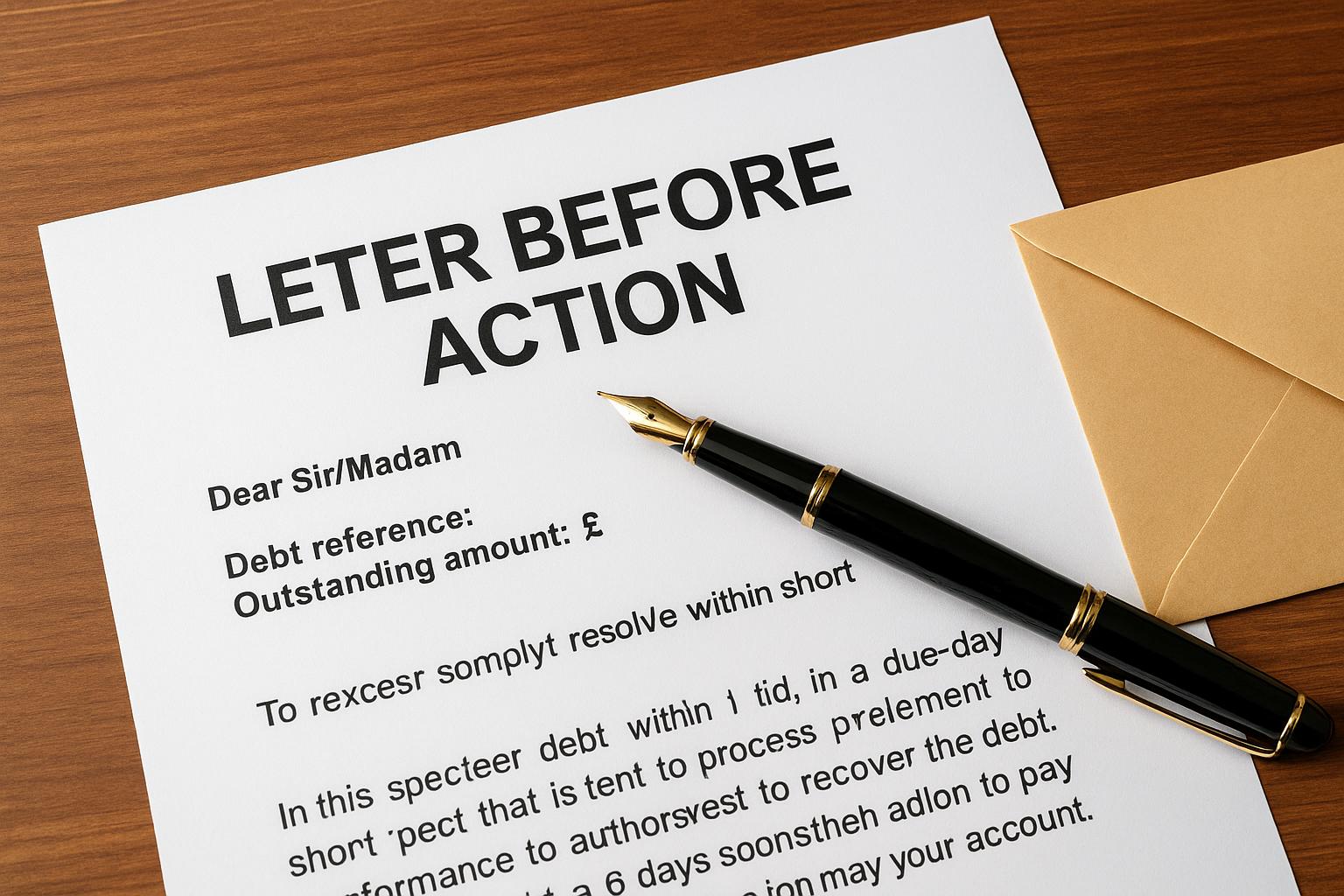
The use of letters before action (LBA) in debt recovery.
Understanding Letters Before Action in Debt Recovery
Debt recovery plays a significant role in maintaining the stability and profitability of many businesses. The ability to effectively collect outstanding debts ensures that a company can continue its operations smoothly and meet its financial obligations. One of the fundamental practices in debt recovery is the issuance of a Letter Before Action (LBA). This document acts as a critical initial step, notifying the debtor of the pending debt and warning of potential legal proceedings should the debt remain unpaid. The issuance of an LBA is often a vital component of ethical and effective debt recovery strategies, allowing creditors to seek settlement while potentially avoiding the cost and complexity of litigation.
Purpose of a Letter Before Action
The primary aim of an LBA is to secure payment from a debtor without progressing to expensive and time-consuming litigation. By issuing a clear statement regarding the amount owed and the repercussions of failing to discharge the debt, an LBA often moves the debtor to take corrective action and settle the outstanding sum. Notably, this not only facilitates a smoother resolution of the financial dispute but also has the potential to preserve a constructive relationship between the involved parties. This approach is particularly beneficial in a commercial context where maintaining professional relationships is essential.
Elements of a Letter Before Action
A well-structured LBA should incorporate several vital elements to ensure its effectiveness:
1. Creditor Information: The LBA must unambiguously include the name and relevant contact details of the creditor. This ensures clarity about who is initiating the debt recovery process and offers the debtor an opportunity to respond directly and engage in communication if necessary.
2. Debtor Information: It’s critical to specify the details of the debtor accurately. This includes naming the correct individual or corporation accountable for the debt, ensuring that there’s no room for misunderstanding about whom the LBA is directed towards.
3. Details of the Debt: Precise details regarding the debt amount, including any interest that has accumulated, must be outlined. This section should also mention the date from when the debt has been due, giving the debtor a full picture of their financial liability.
4. Consequences of Non-Payment: The LBA must clearly communicate the potential legal actions that could be pursued if the debtor does not address the debt. Highlighting these consequences underscores the seriousness of the claim and can serve as a powerful motivator for the debtor to resolve the situation promptly.
5. Payment Options: Proposing flexible payment arrangements may facilitate easier settlements and increase the likelihood of the debt being recovered amicably. This consideration shows that the creditor is reasonable and willing to accommodate certain circumstances that might be hindering the debtor’s ability to pay in full.
Legal Implications of a Letter Before Action
The issuance of a Letter Before Action is more than just a formal procedure. From a legal standpoint, it provides documentation that the creditor has exerted reasonable effort to collect the debt before seeking judicial intervention. This can be pivotal in later legal proceedings, where establishing such goodwill can sway outcomes positively. However, it is critical that the LBA complies with any legal standards or protocols relevant to the jurisdiction in which the debt recovery process occurs. The nuances of these legal frameworks dictate the format and content that an LBA must adhere to, promoting compliance and upholding the integrity of the process.
Conclusion
The strategic deployment of a Letter Before Action in the debt recovery process can greatly impact the effectiveness and efficiency of resolving outstanding fiscal matters. Clearly communicating the details of the debt and the risks associated with inaction can lead to quicker resolutions and help bypass the need for lengthy and expensive court cases. It’s an essential tool for creditors aiming to recover funds without severing business ties or incurring the high costs of litigation. For in-depth insights into debt recovery and specialized legal counsel, you might find it useful to visit this resource.
- Posted by
 admin
admin - Posted in Uncategorized
 Mar, 22, 2026
 Comments Off on The use of letters before action (LBA) in debt recovery.