
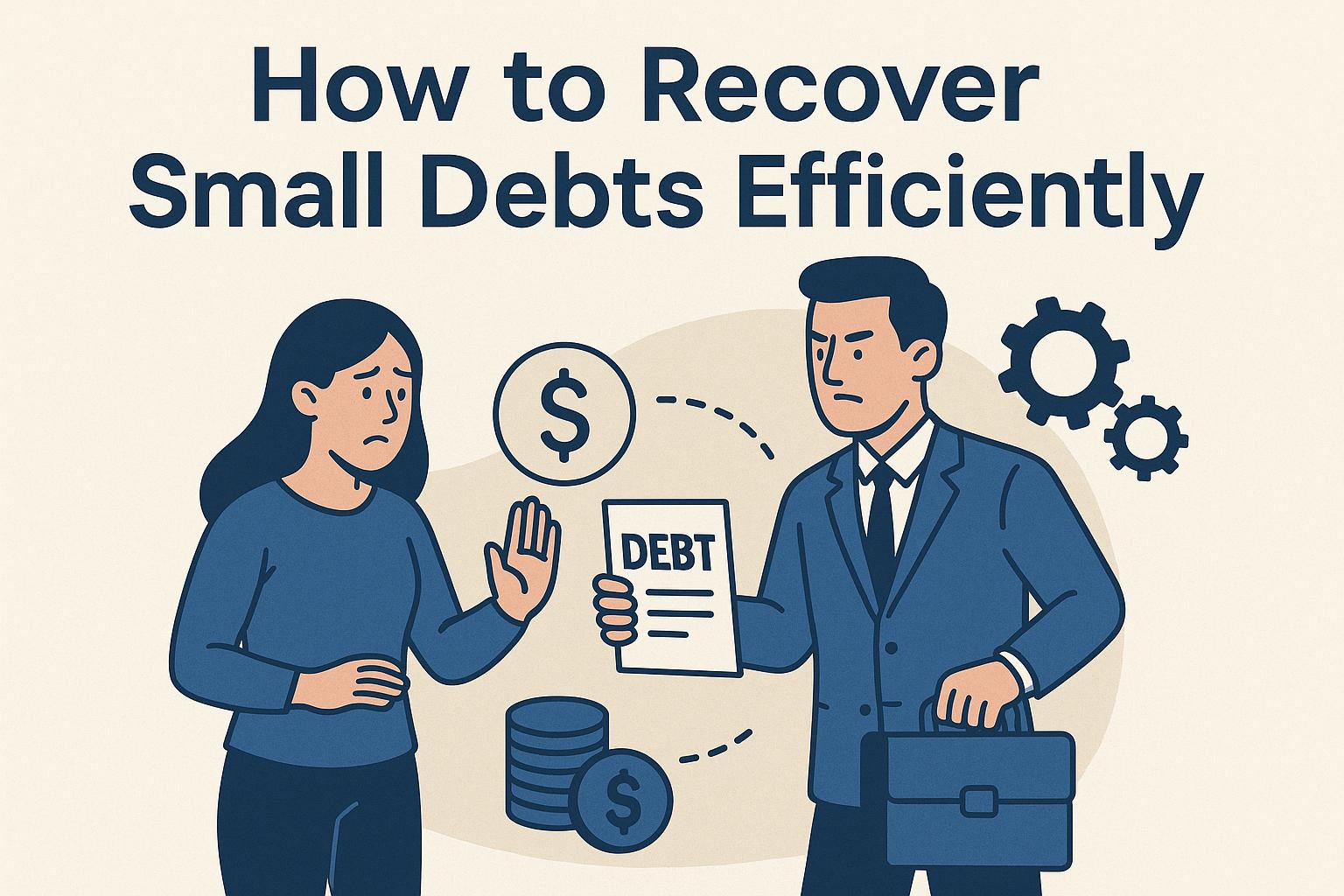
How to recover small debts efficiently.
Understanding Small Debt Recovery
Recovering small debts requires a strategic approach to ensure that the process does not harm interpersonal relationships while still successfully retrieving the owed funds. The task involves understanding the steps necessary to execute this delicate balance effectively. Below, a comprehensive look at these steps is provided for anyone navigating the complexities of small debt recovery.
Establish Clear Terms
Before entering into any financial agreement, it is critical to outline clear terms and conditions that both parties understand and agree upon. This involves creating a written document that details specific aspects of the loan such as the principal amount, repayment schedule, due dates, and any applicable interest rates. Such a document serves not only as a reference during the repayment period but also as evidence in cases where disputes arise. When drafting this agreement, ensure both parties sign it to solidify its validity. This clarity upfront can preemptively address potential misunderstandings and support a smoother debt recovery process.
Maintain Open Communication
Clear communication is the cornerstone of effective debt management. As soon as the repayment period begins, establish a communication channel with the debtor. Initiate these conversations thoughtfully, using polite reminders to encourage repayment. It is advisable to reach out through professional channels like email or telephone, maintaining a courteous yet firm tone. While conversing, there are some important tools to consider:
- Document Conversations: Keep records of all communications to provide a timeline of contacts and discussions.
- Be Empathetic: Understanding the debtor’s situation can lead to better cooperation and a willingness to clear the debt.
Establish a Follow-Up Schedule
Developing a consistent follow-up routine is beneficial when reminders do not spur immediate action. Set a schedule for follow-ups that balances persistence without becoming intrusive. Regularly spaced-out contacts can maintain the urgency of the repayment while preventing the debtor from feeling pressured. Each interaction should be documented meticulously to construct a comprehensive history of your efforts, which may be required for further actions if the debt remains unpaid.
Offer Payment Plans
Sometimes, debtors face genuine financial difficulties that prevent them from repaying the full amount owed at once. In such situations, proposing a payment plan can be mutually beneficial. By breaking the total amount into smaller, manageable payments, you not only provide relief for the debtor but also ensure that the debt is being repaid over time. Implement the following measures to facilitate this process:
- Negotiate Terms: Discuss and agree upon installment amounts and schedules that suit both parties.
- Document Agreements: Update the original loan agreement to include new terms for repayment.
Utilize Technology
Modern technology can significantly streamline the debt recovery process. Employ accounting and invoicing software to keep accurate records of debts, keep track of payment due dates, and facilitate communications with debtors. These platforms often include automated billing and notification functionalities, enhancing efficiency and reducing the need for manual follow-ups. Besides, they provide analytics to help analyze patterns in debt management and adjust strategies accordingly.
Send Formal Communication
When informal efforts prove ineffective, it might be time to escalate the situation with formal written communication. Drafting a letter of demand can reinforce the seriousness of the situation. This letter should clearly state the details of the outstanding debt, previous attempts to collect repayment, and possible repercussions of continued non-payment. Ensure that the language used is professional and non-confrontational to maintain a businesslike demeanor. This step serves as an official record and can be pivotal if further legal actions become necessary.
Know When to Escalate
In cases where repeated attempts to collect the debt yield no results, engaging a collection agency might become necessary. As a last resort, this option brings expertise in debt recovery to the table. However, it is important to recognize the potential costs involved, both financially and in terms of personal relationships. These agencies charge fees or a percentage of the recovered debt, impacting the actual amount recuperated. Exercising this option should come only after considering alternative methods.
Legal Considerations
Persistent non-payment issues might require legal intervention. Opting for a small claims court can be an effective way to legally compel payment. However, this should be approached with caution. It is crucial to understand the legal ramifications and potential costs associated with taking the matter to court. Consulting a legal expert can provide important insights into the viability of this option, ensuring that it is worth pursuing. When armed with sound legal advice, taking this step can be a decisive action in securing the repayment of small debts.
Additional Resources
Exploring external resources can be instrumental in managing small debt recovery. Professional financial advisors and experts in debt management provide valuable insights that can enhance individual strategies. Online platforms such as Nolo and LegalZoom are also viable resources, offering guidance, standardized legal templates, and comprehensive advice regarding debt recovery processes. Engaging with these resources can facilitate a deeper understanding of efficient and legal debt management practices.
By taking these steps and leveraging available resources, the task of recovering small debts can be managed with greater ease and effectiveness, safeguarding relationships while securing financial interests.
- Posted by
 admin
admin - Posted in Uncategorized
 Jul, 05, 2026
 Comments Off on How to recover small debts efficiently.