
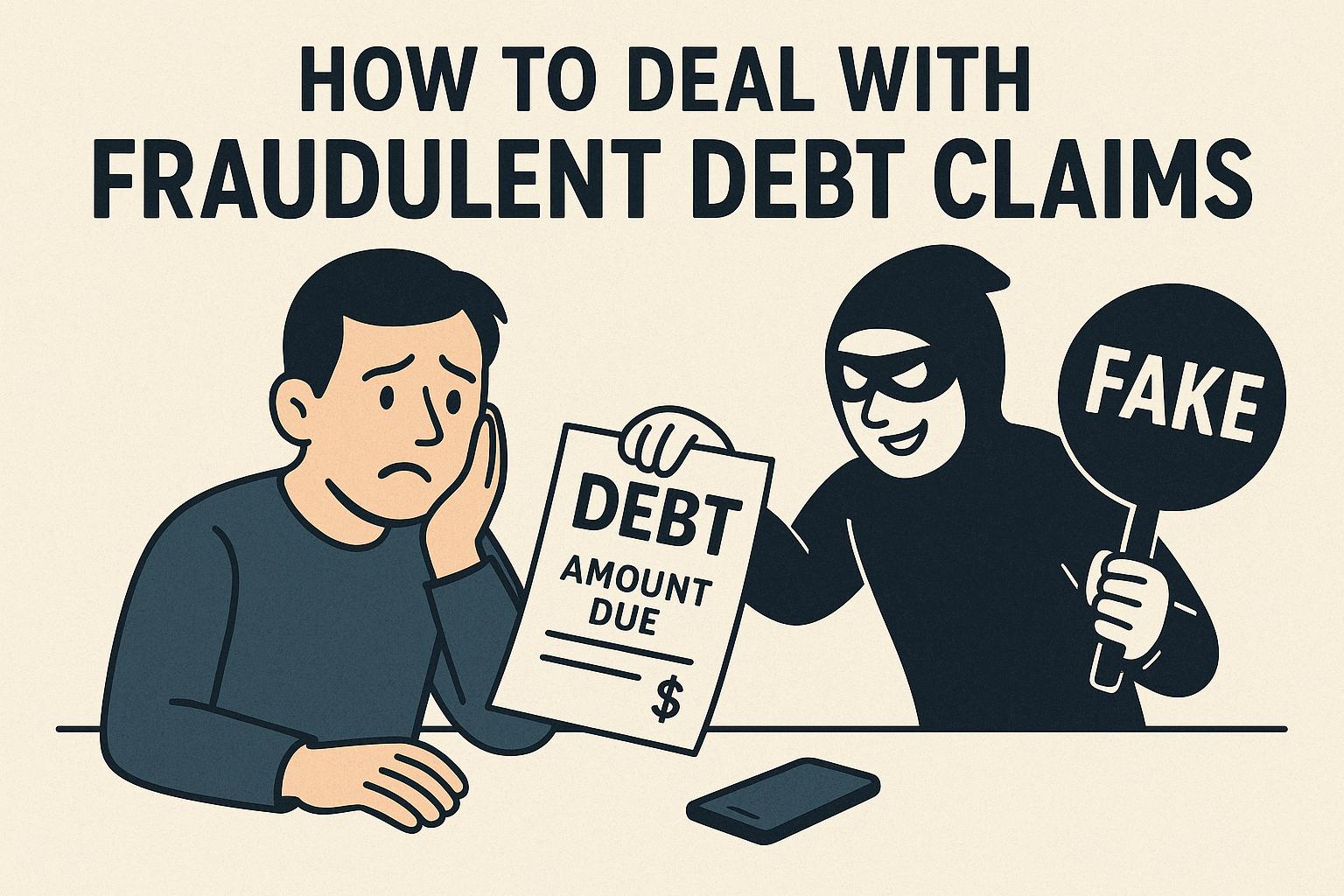
How to deal with fraudulent debt claims.
Understanding Fraudulent Debt Claims
Encountering a fraudulent debt claim can be distressing and complicated, but addressing it with a structured approach is essential. Fraudulent debt claims arise when an individual or entity falsely asserts that you owe them money. Understanding how to navigate such scenarios is crucial to safeguarding your financial well-being.
Identifying Fraudulent Claims
Many fraudulent debt claims begin with unexpected phone calls, letters, or electronic communications. By being aware of certain tell-tale signs, you can identify and avoid these fraudulent claims. Key indicators of a fraudulent claim may include:
Lack of Specific Details About the Debt: A genuine debt collector will have records of your original creditor, the amount owed, and the date the debt was incurred. If you receive a communication that lacks these specifics, it’s generally a red flag.
High-Pressure Tactics for Immediate Payment: Fraudsters often use high-pressure tactics to create panic, urging you to make an immediate payment. These tactics are generally accompanied by threats such as legal action or damage to your credit score, which can be intimidating but are baseless when the claim is fraudulent.
Requests for Payment via Unconventional Methods: Be wary of anyone asking for payment through unconventional methods like gift cards, wire transfers, or prepaid cards. Legitimate debt collectors usually accept conventional methods of payment, including checks or credit card payments.
Recognizing these signs is crucial to avoid falling victim to scams. Fraudsters often rely on a lack of knowledge and emotion-driven decisions, so take a moment to evaluate the situation calmly and rationally.
Steps to Address Fraudulent Debt Claims
If you suspect a debt claim is fraudulent, taking immediate yet measured actions can help protect you from falling prey to the scam. Here are steps you should consider:
Verify the Claim
Start by requesting written validation of the debt. According to the Fair Debt Collection Practices Act (FDCPA), debt collectors are obligated to provide you with written information about the original creditor, the exact amount owed, and your rights in disputing this debt. This step helps confirm whether the claim is legitimate or fraudulent.
In addition, regularly check your credit reports for any unfamiliar accounts. Finding accounts or debts that you do not recognize can signal identity theft or fraudulent claims. The official website Annual Credit Report allows you to access your credit report from the three major credit bureaus: Equifax, Experian, and TransUnion.
Communicate in Writing
To ensure there is an official record of your interactions, always respond to the initial communication in writing. Compose a formal letter explicitly denying responsibility for the debt in question and request a detailed validation of the claim. Keep copies of all correspondence and any replies you receive. This documentation will serve as crucial evidence should the issue escalate or require legal intervention.
Dispute the Debt
When you receive a dubious or illegitimate claim, formally dispute it within 30 days of receiving the initial communication. Once you’ve lodged a dispute, request the debt collector to halt any collection efforts until the debt is verified. Doing so underlines your stance of non-liability and compels the collector to substantiate their claim.
File a Complaint
Fraudulent activities should be reported to protect not only yourself but also others who might become potential targets. File a complaint with the Federal Trade Commission (FTC), which can help mitigate deceptive practices. Additionally, lodging a complaint with the Consumer Financial Protection Bureau (CFPB) adds another layer of scrutiny and helps in alleviating such unethical practices at a broader level.
Protecting Against Future Claims
Proactivity is essential in safeguarding oneself against fraudulent debt claims. Here is how you can best protect yourself against future occurrences:
Secure Your Credit Reports: Consider placing a fraud alert or a credit freeze on your reports. A fraud alert notifies creditors that you may have been a victim of fraud and requires extra steps to verify your identity before creating new credit accounts in your name. A credit freeze stops anyone from accessing your credit report without your explicit consent, making unauthorized account creation significantly challenging.
Regular Monitoring of Credit Activity: Keeping a regular watch on your credit activity is vital. Be on the lookout for any unfamiliar transactions or accounts. Specific services from established financial institutions offer credit monitoring tools which provide alerts for new activity, beneficial for early fraud detection.
Remain Skeptical
Maintain a cautious approach whenever you receive unsolicited communications about debts. It is crucial to independently verify the validity of any claims you receive. If you’re uncertain or overwhelmed, consulting with professionals like financial advisors or consumer rights advocates can provide clarity and relief.
Seeking Legal Assistance
In cases where fraudulent claims become particularly convoluted or impact your emotional health, obtaining legal counsel can be beneficial. Legal professionals specializing in consumer rights are adept at navigating such disputes and can provide the guidance necessary to reach appropriate resolutions. They can also represent you should the fraudulent claim be pursued in a legal setting, allowing you to understand better your rights and the avenues available for redress.
Fraudulent debt claims, while alarming, can be managed effectively with a methodical approach. Swift identification and response are imperative to safeguard your financial and personal information. By adhering to these practices, you protect yourself and deter future fraudulent attempts.
- Posted by
 admin
admin - Posted in Uncategorized
 Jul, 19, 2026
 Comments Off on How to deal with fraudulent debt claims.