
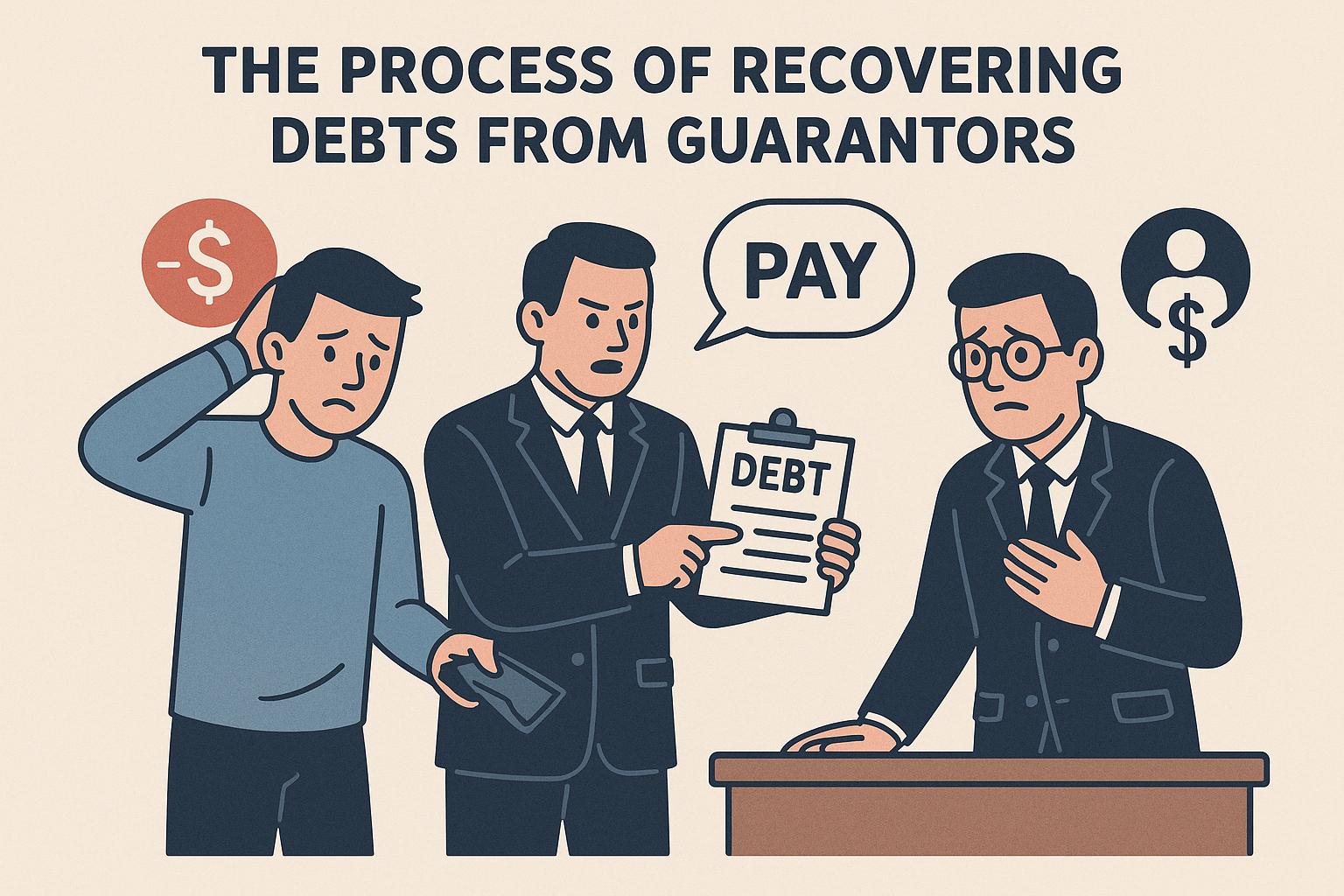
The process of recovering debts from guarantors.
The Role of a Guarantor
When an individual cannot secure a loan on their own, a guarantor plays a crucial role in providing assurance to the lender that the debt will be repaid. This person agrees to fulfill the debt obligation if the primary borrower defaults. While the role of a guarantor can open up financial opportunities for those in need of loans, it comes with significant responsibilities and inherent risks.
Understanding Debt Recovery from Guarantors
Debt recovery from a guarantor is an essential aspect of securing loans that involve third-party guarantees. When a borrower fails to meet their repayment obligations, lenders are within their rights to seek debt recovery not just from the borrower, but also from the guarantor. This process involves several steps, designed to ensure that the lender can reclaim the owed money, while also providing the guarantor with fair notice and opportunities to respond.
Initial Notification
Typically, the debt recovery process begins with an initial notification to the guarantor. This notice serves the purpose of informing the guarantor about the default status of the primary borrower. It also indicates that the guarantor is now expected to cover the outstanding debt. The period for notification may vary depending on jurisdictional laws and specific terms outlined in the initial loan agreement. This step is critical as it formally alerts the guarantor to their financial responsibilities, prompting them to take necessary actions.
Negotiations and Settlement
Following the initial notification, lenders often prefer to seek resolution without rushing into legal pursuits. Before any legal action is initiated, lenders typically attempt to negotiate a settlement with the guarantor. These negotiations can lead to establishing a payment plan or even agreeing upon a partial settlement, depending on what both parties find agreeable. It is crucial for guarantors to engage in these discussions to potentially mitigate their financial commitments. Active participation in negotiations can result in more favorable repayment terms, minimizing the financial burden they might have to bear.
Legal Proceedings
Should the guarantor fail to satisfy the debt or reach a settlement, the lender may opt to begin legal proceedings. This legal pathway could involve pursuing a court judgment that mandates repayment from the guarantor. Obtaining a court judgment is typically the precursor to more coercive collection methods, which can include wage garnishment or seizing assets to recover the outstanding debt. It signifies a more stringent approach by lenders to ensure recovery, typically when amicable resolutions fail. This step can also lead to lasting financial consequences for the guarantor, making it imperative to consider all available options before allowing matters to escalate to this stage.
Impact on Credit History
The involvement of a guarantor in the debt recovery process can have significant implications on their credit history. If a guarantor defaults on the repayment arrangement or fails to adhere to the agreed-upon terms, it could negatively impact their credit score. This potential decline in credit rating can limit their access to future credit facilities, affecting their financial flexibility and ability to secure loans independently in the future. Therefore, it is imperative for guarantors to be conscious of the long-term repercussions that defaulting can have on their personal credit profiles.
Legal Rights and Advice
Guarantors possess certain legal rights designed to protect them during the recovery process. These rights include being informed about changes in the loan terms and any recovery actions taken by the lender. It is crucial for guarantors to seek independent legal advice to fully understand these rights and explore their legal options. Legal counsel can provide valuable insights and help guarantors navigate the complexities of the recovery process. This guidance is essential as it empowers them with the knowledge needed to make informed decisions, potentially protecting their financial interests.
For individuals seeking further information on debt recovery processes or looking for financial advice related to their situation as a guarantor, it is advisable to explore resources available through financial advisory firms or consult legal experts specializing in debt recovery. These professionals can offer tailored guidance specific to individual circumstances, ensuring that guarantors are well-prepared to handle their obligations effectively. By seeking expert advice, guarantors can navigate the intricacies of debt recovery with greater confidence, safeguarding their financial well-being while honoring their commitments.
- Posted by
 admin
admin - Posted in Uncategorized
 Jul, 12, 2026
 Comments Off on The process of recovering debts from guarantors.