
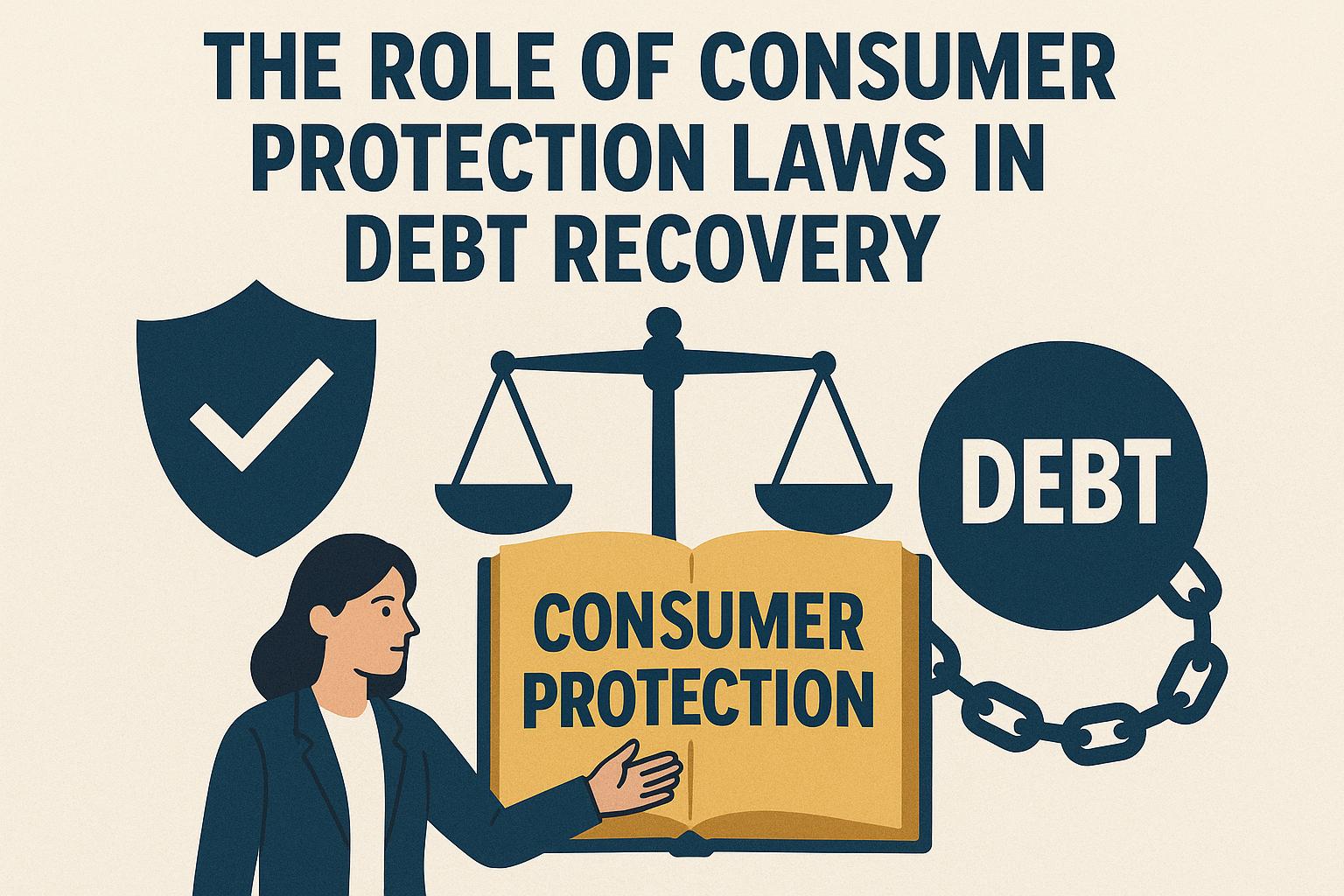
The role of consumer protection laws in debt recovery.
The Importance of Consumer Protection Laws in Debt Recovery
Consumer protection laws play a significant role in the intricate process of debt recovery. These regulations ensure that both creditors and debtors are bound by fair practices, which serves to safeguard the interests of consumers while simultaneously enabling the legitimate recovery of debts by creditors. By implementing these laws, a more balanced dynamic is facilitated between the two parties, encouraging ethical practices across the board.
Understanding Consumer Protection in Debt Recovery
At its core, the primary aim of consumer protection laws in debt recovery is to establish equilibrium between the rights of consumers and creditors. By deterring abusive practices from debt recovery agencies, these laws ensure that debtors are treated with fairness and respect. It’s important to recognize that consumer protection legislation can vary based on jurisdiction, but there are common provisions that typically apply to debt collection practices across different regions.
Key Provisions of Consumer Protection Laws
Consumer protection laws encompass several critical provisions to regulate the conduct of debt collectors and ensure fair practices. Understanding these provisions is paramount for both parties involved.
1. Prohibition of Harassment: An essential component of consumer protection laws is the prohibition against harassment. Debt collectors are barred from employing abusive, unfair, or deceptive practices. They must adhere to ethical standards, which explicitly include refraining from harassment or threats. This ensures debtors are treated with a degree of respect and dignity during the debt recovery process.
2. Regulation of Communication: Consumer protection laws also define clear boundaries regarding the timing and frequency of communications initiated by debt collectors. This aspect protects debtors from suffering under excessive or intrusive contact about their debts, which could otherwise escalate stress and pressure.
3. Provision of Accurate Information: Transparency remains a pivotal segment of these laws. Debt collectors are mandated to provide accurate details concerning both the debt in question and their identity. This transparency fosters trust and accountability, laying the groundwork for more straightforward, amicable resolution processes.
4. Dispute Resolution: Another hallmark provision is the establishment of clear channels for dispute resolution. Consumers are empowered to dispute a debt and request verification. Upon receipt of such a request, collectors are obligated to halt further collection efforts until they adequately validate the debt in question.
The Fair Debt Collection Practices Act (FDCPA)
In the United States, one of the most critical pieces of legislation concerning debt recovery is the Fair Debt Collection Practices Act (FDCPA). This landmark law outlines detailed rules and guidelines for debt collectors. It sets forth restrictions on certain actions, establishes guidelines for communication, and provides debtors with ample opportunities to dispute incorrect or unfair debt collections. The FDCPA stands as a cornerstone in the realm of consumer protection within the United States, ensuring that ethical standards are upheld throughout the debt recovery process.
Benefits of Consumer Protection in Debt Recovery
The incorporation of consumer protection laws within debt recovery practices yields numerous advantages for both consumers and creditors:
1. Ethical Practices: By enforcing these laws, debt collection agencies are compelled to engage in ethical and respectful practices. This stands to not only benefit consumers but also enhance the credibility and professionalism of collection agencies, reflecting positively on their reputation.
2. Debt Dispute Mechanism: The provision of a formal platform for consumers to dispute and verify their debts ensures a high degree of accuracy and fairness. This establishes a transparent process that minimizes misunderstandings and facilitates more informed decision-making.
3. Reducing Unnecessary Stress: The explicit prohibition of harassment and unfair practices plays a significant role in alleviating the emotional burden often associated with debt recovery. By ensuring that communications are respectful and transparent, consumers can navigate the debt repayment process with reduced anxiety.
Challenges and Considerations
Despite the substantial benefits that consumer protection laws entail, certain challenges and considerations warrant attention. For creditors, navigating these laws often requires meticulous attention to compliance to avoid accusations or allegations of unfair practice. Successfully maneuvering through these regulations demands that creditors and collectors engage in thorough training programs and establish robust compliance frameworks to ensure adherence to consumer protection laws while achieving their debt recovery objectives.
In summary, consumer protection laws serve as an essential cornerstone in the domain of debt recovery. They foster an environment of transparency, fairness, and ethical conduct, benefiting both consumers and creditors alike. For debt recovery agencies and creditors, a profound understanding and compliance with these legal frameworks are crucial in maintaining ethical practices and ensuring successful debt recovery. Such diligence not only safeguards consumer rights but also upholds the integrity and legitimacy of the debt recovery industry.
- Posted by
 admin
admin - Posted in Uncategorized
 May, 17, 2026
 Comments Off on The role of consumer protection laws in debt recovery.