
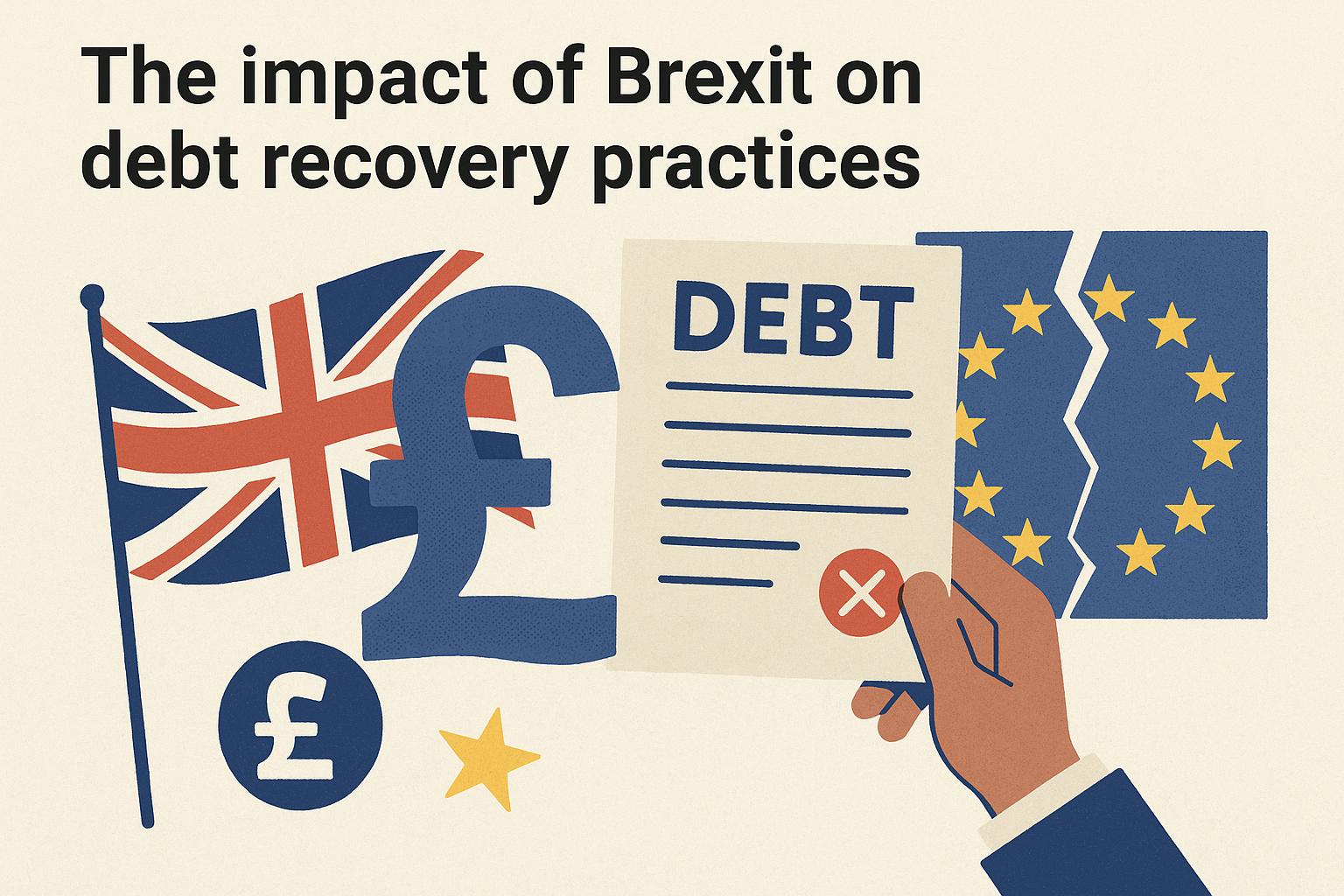
The impact of Brexit on debt recovery practices.
The Background of Brexit and Debt Recovery
The United Kingdom’s decision to leave the European Union (EU), a move popularly known as Brexit, has enforced a multitude of changes across various domains, including the practices of debt recovery. The official exit of the UK from the EU on January 31, 2020, marked the beginning of a period characterized by numerous legal and economic adaptations. These alterations have a pronounced effect on debt recovery activities, both within the nation and in international contexts.
Legal and Regulatory Adjustments
In the immediate aftermath of Brexit, one notable impact has been the shift in legal frameworks governing debt recovery. Prior to Brexit, the UK benefited from EU regulations such as the European Enforcement Order, European Payment Order, and European Small Claims Procedure. These tools significantly eased the process of cross-border debt recovery within EU countries, providing a reliable means for creditors to pursue outstanding debts. However, post-Brexit, these established processes no longer apply to the UK, necessitating the creation of new bilateral agreements and sets of regulations to manage international debt claims effectively.
Cross-Border Debt Recovery
The cessation of seamless legal cooperation between the UK and the EU member states introduces additional complexities for creditors trying to enforce cross-border debts. Without the benefit of the automatic recognition of UK court judgments that EU instruments once provided, creditors are now compelled to engage directly with the national laws of each individual EU country where enforcement is sought. This requirement not only introduces new layers of legal complexity but also results in increased time and financial costs, thereby influencing the overall efficiency of international debt recovery efforts. For further insights into international debt recovery practices, the Euro Company Formations website is an available resource.
Domestic Debt Recovery Considerations
While Brexit has not directly altered the legal processes for debt recovery within the UK, it has produced indirect consequences. Economic uncertainties fostered by Brexit and the potential for economic downturns have heightened financial pressures on consumers and businesses alike. This situation could lead to greater rates of defaults on debt, prompting creditors to reevaluate and possibly modify their strategies to address an uptick in domestic debt recovery cases. The dynamic nature of the post-Brexit economy requires adaptability by creditors to navigate the domestic landscape proficiently.
Future Implications and Adaptations
The future implications of Brexit on debt recovery practices will hinge largely on the evolving nature of the UK’s relationship with the EU, along with its capacity to cultivate new trade and legal relationships on a global scale. For creditors and debt recovery firms, the climate will necessitate adopting strategies that are both localized and flexible. There lies the potential need for investing in more sophisticated technology and meticulously crafted analytics to remain effective and competitive in the adjusted landscape. As circumstances continue to shift, vigilance in monitoring changes in policies and market conditions will be essential for parties involved in debt recovery. For updates on legal changes impacting debt recovery, legal advisory platforms such as the International Law Office can be referenced for the latest information.
While Brexit presents a series of challenges, it concurrently offers an opportunity for the UK to devise bespoke debt recovery frameworks suited to its particular needs. Over time, this could lead to the development of innovative practices that enhance the efficiency and reliability of debt recovery operations within the country. Business and legal professionals engaged in debt recovery will need to remain informed and adaptable to meet the new realities of the post-Brexit era. As strategies evolve, so too will the methods by which creditors ensure adherence to financial obligations in a rapidly changing legal and economic landscape.
- Posted by
 admin
admin - Posted in Uncategorized
 Apr, 19, 2026
 Comments Off on The impact of Brexit on debt recovery practices.