
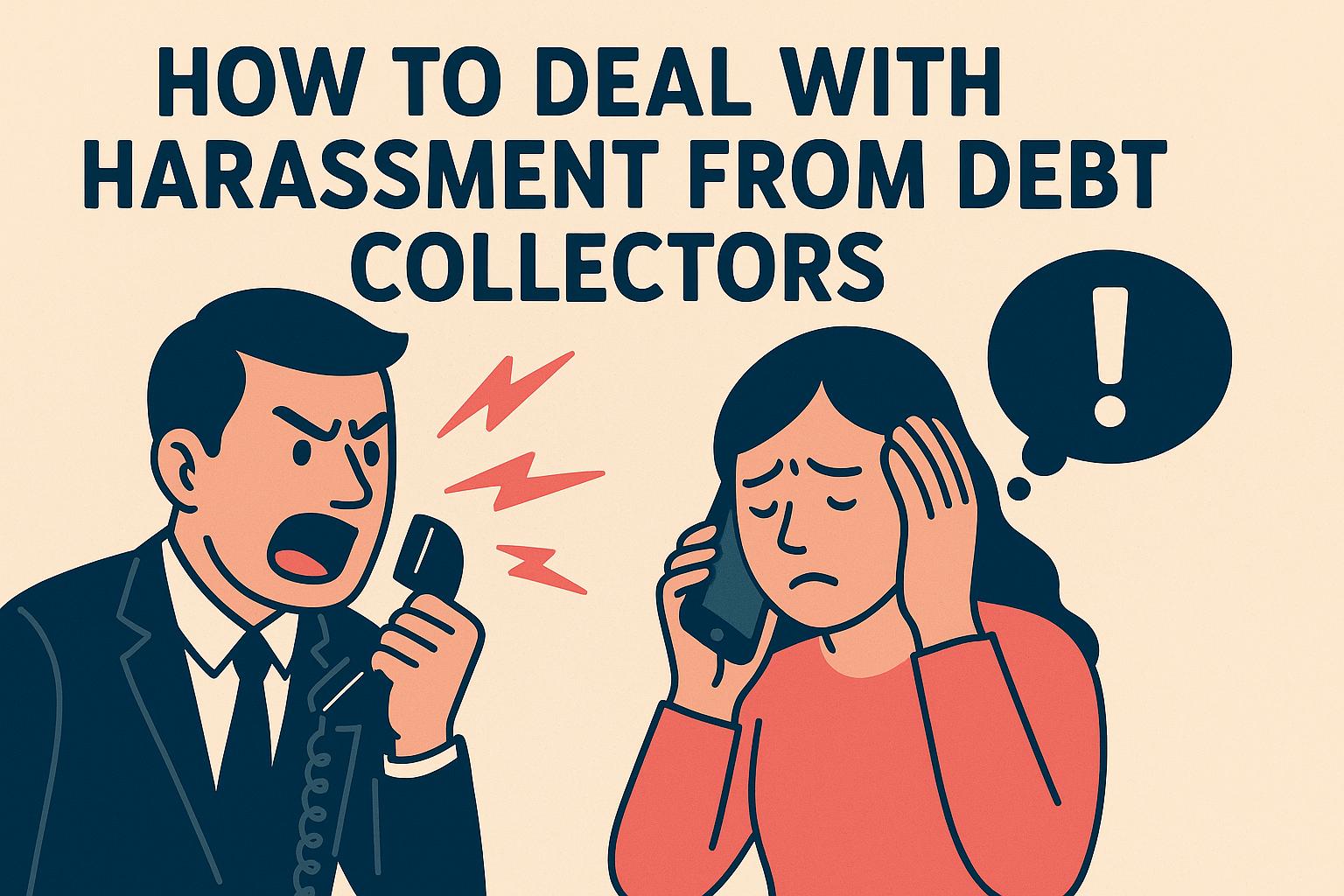
How to deal with harassment from debt collectors.
Understanding Your Rights
The Fair Debt Collection Practices Act (FDCPA) plays a crucial role in the United States, setting the standards and boundaries for debt collectors in their interactions with consumers. Under this act, consumers are protected from unfair, deceptive, or abusive practices. It is imperative for individuals to gain an understanding of their rights as creditors who are informed are better equipped to recognize violations.
Prohibition of Harassment
A major component of the FDCPA is its prohibition against harassment. Harassment by debt collectors can take many forms, such as repeated and excessive phone calls intended to annoy or inconvenience, the use of threats, or employing abusive language. It’s important to understand that these actions are not tolerated under the law. By familiarizing oneself with what constitutes a breach of this act, individuals can discern when a debt collector is overstepping their bounds.
Document All Communications
Ensuring that all communications with debt collectors are thoroughly documented is a practical step towards safeguarding your rights. This entails keeping a detailed log of each interaction, including the date and time of communications, the name of the representative you spoke with, and the summary of what was discussed. In some jurisdictions, you might have the legal authority to record these calls. Before doing so, however, be sure to verify and comply with your local laws regarding the recording of conversations. Proper documentation can become pivotal if the need arises to file a complaint or pursue further legal measures.
Communicating Effectively
Effective communication with debt collectors is another vital skill. Maintaining professionalism and composure allows you to assert your rights without escalating the situation. If you suspect that a collector is engaging in harassment, calmly inform them that you are aware of your rights and request that they cease any inappropriate behaviors. Additionally, you have the option to request that all communication be conducted in writing. Written communication can serve as a paper trail and reduce the stress associated with frequent phone calls, providing a clearer record of what has been said.
Sending a Cease and Desist Letter
In situations where harassment continues despite verbal requests, it may be appropriate to take a more formal approach by sending a cease and desist letter. This type of correspondence instructs the debt collector to stop contacting you, with exceptions only for legally permissible communications. To ensure the letter’s delivery and create a trail of evidence, it is advisable to send it via certified mail with a return receipt requested. A well-drafted cease and desist letter can effectively communicate your demand to halt unwanted contact, emphasizing your seriousness in protecting your rights.
Filing a Complaint
Should a debt collector ignore both verbal and written requests to desist from harassment, filing a complaint with relevant authorities might be the next step. The Consumer Financial Protection Bureau (CFPB) and your state’s attorney general’s office are responsible entities that address and investigate claims of unethical debt collection practices. Additionally, consulting with a consumer rights attorney can provide insight into any legal avenues that might be pursued. These professionals can offer guidance and potentially aid in taking legal action if the circumstances warrant such measures.
Being proactive in understanding one’s rights and knowing the appropriate actions to take is critical when faced with debt collector harassment. For further information, resources, and guidance, the Consumer Financial Protection Bureau offers comprehensive support. By reinforcing your knowledge and applying these strategies, you can effectively navigate the challenges posed by debt collectors and their practices.
- Posted by
 admin
admin - Posted in Uncategorized
 May, 24, 2026
 Comments Off on How to deal with harassment from debt collectors.